Bhoomi Education

Our Key Projects

OUR PROJECTS

Bhoomi Educational Foundation

Lakshya Project

Introduction

Lakshya is a long-term, equity-driven initiative that supports meritorious students from economically disadvantaged and first-generation backgrounds as they prepare for IIT-JEE / NEET and progress through higher education into early careers.

Description

Lakshya combines structured academic preparation with sustained mentoring and wellbeing support across multiple years. Students receive personalised IIT-JEE / NEET preparation during Classes XI and XII through a blended learning model, supported by mental health counselling, physical health monitoring, and nutrition awareness to ensure learning continuity under pressure. As students move into engineering or medical colleges, Lakshya continues to support them through mentoring and exposure to industry and domain experts, helping them navigate higher education environments and build professional awareness. In later stages, students are guided in communication, interview readiness, and workplace orientation. While Lakshya does not guarantee placements, it works to reduce inequities by addressing gaps in guidance, exposure, and social capital.

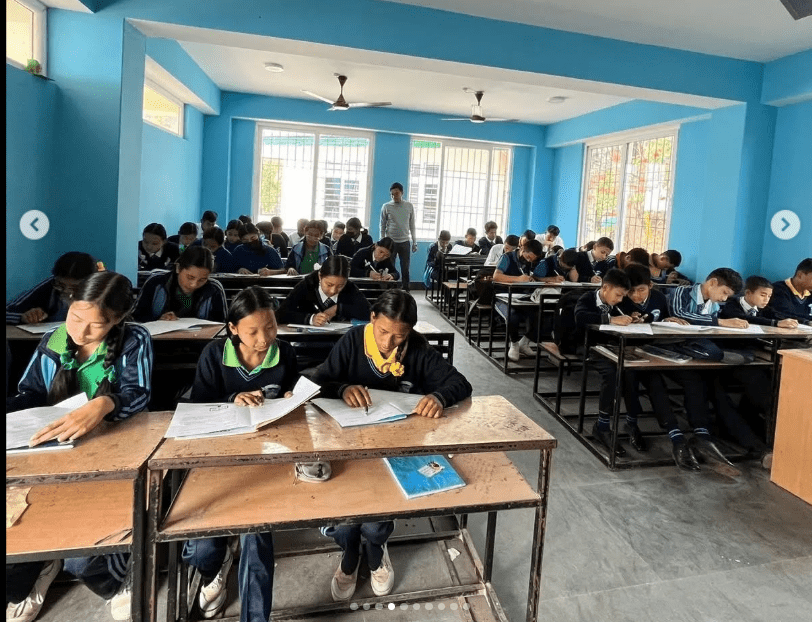
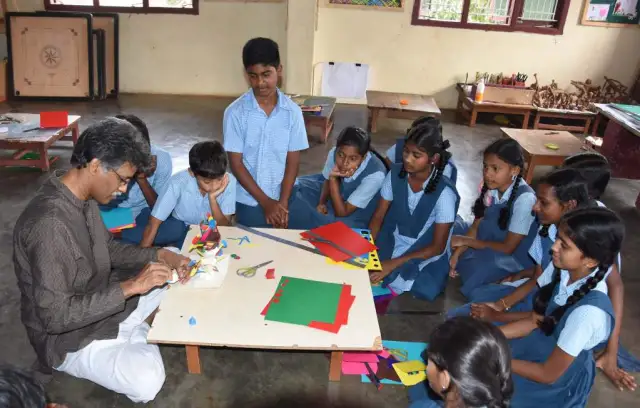
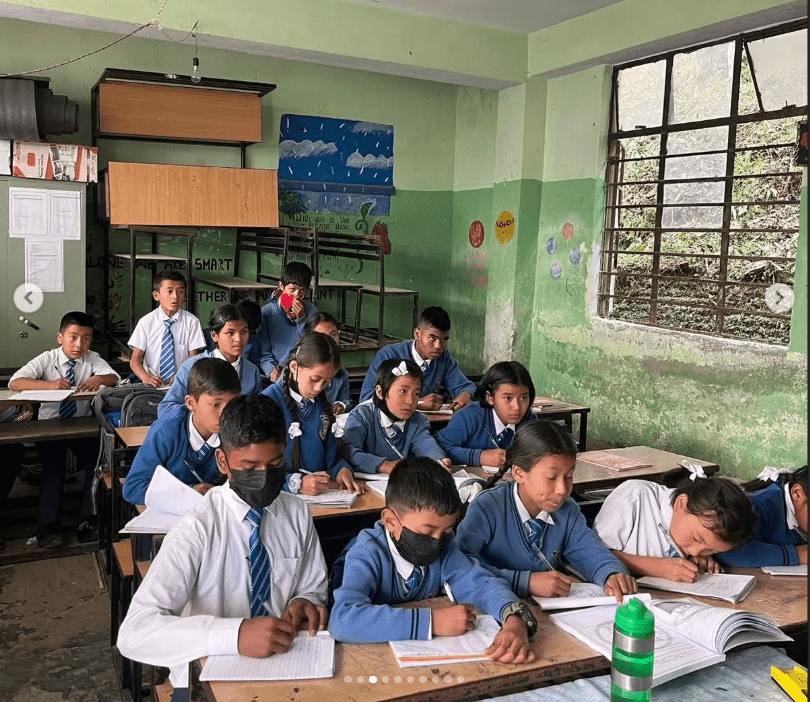
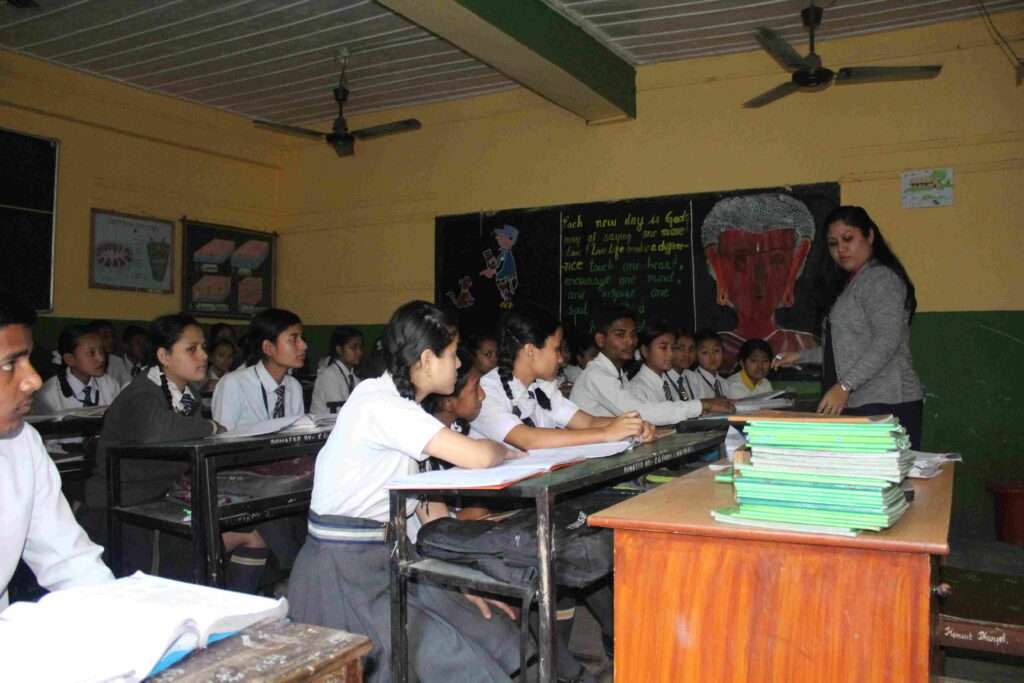
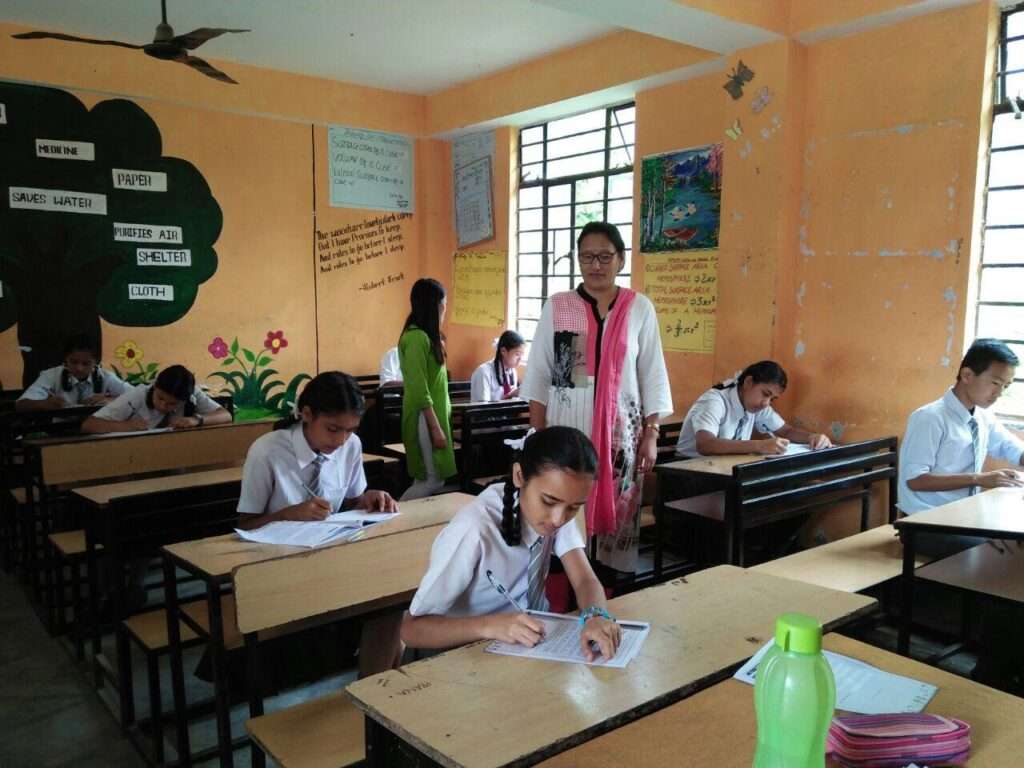
hildren learning in a rural classroom with Bhoomi Educational Foundation, the Best NGO in the field of education.

Outcomes

Sustained readiness for competitive examinations Improved wellbeing, confidence, and learning continuity Smoother transition into higher education Stronger professional skills and interview readiness Equitable preparation for long-term academic and career success

Delhi Project

It began with a few children, two teachers, and a small classroom. From that quiet corner of Uttam Nagar, a movement to make learning accessible to every child took its first step.

Introduction

The journey of Bhoomi Educational Foundation began in the narrow lanes of Uttam Nagar, Delhi. What started as an evening classroom for a handful of underprivileged children grew into a vision to make quality learning accessible to every child, everywhere

Description

In those early days, both founders personally taught children from nearby communities after school hours. The small classroom became more than just a learning space — it became a place of hope, curiosity, and belonging. These daily interactions helped shape the foundation’s philosophy: learning must be inclusive, personal, and rooted in community. Outcomes •Reached urban underprivileged learners through grassroots education.
•Developed an early model of community-based learning spaces.
•Shaped Bhoomi’s core philosophy of equitable, accessible education.

Outcomes

• Reached urban underprivileged learners through grassroots education.
• Developed an early model of community-based learning spaces.
• Shaped Bhoomi’s core philosophy of equitable, accessible education.
• Laid the groundwork for the larger state and national initiatives that followed.

Madhya Pradesh Project

EDUZ Learning – Opening Doors to Opportunity

Introduction

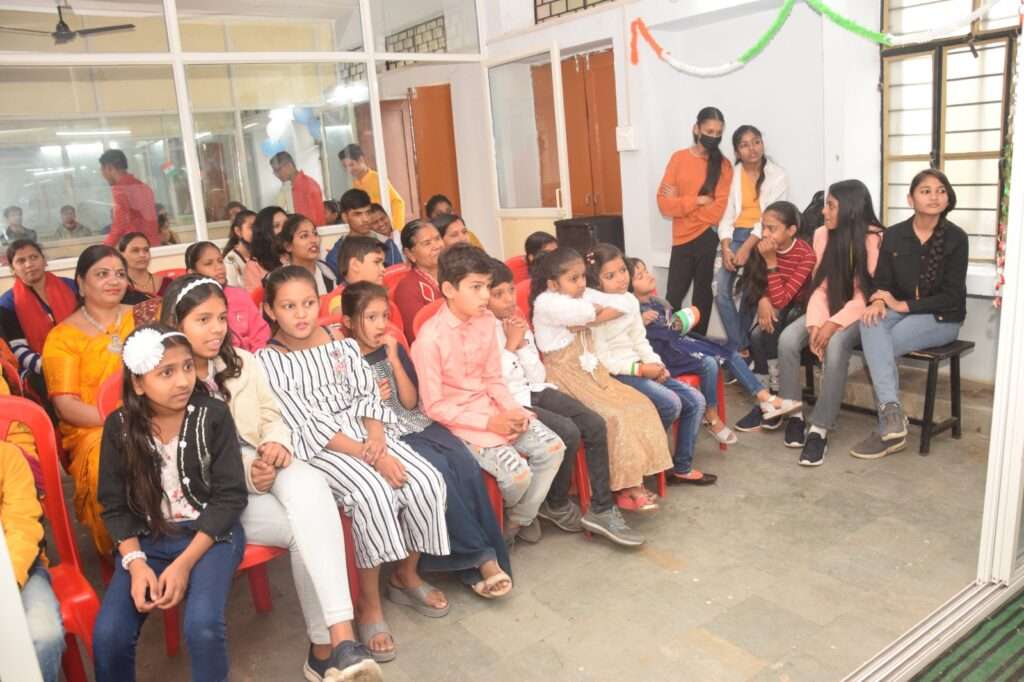
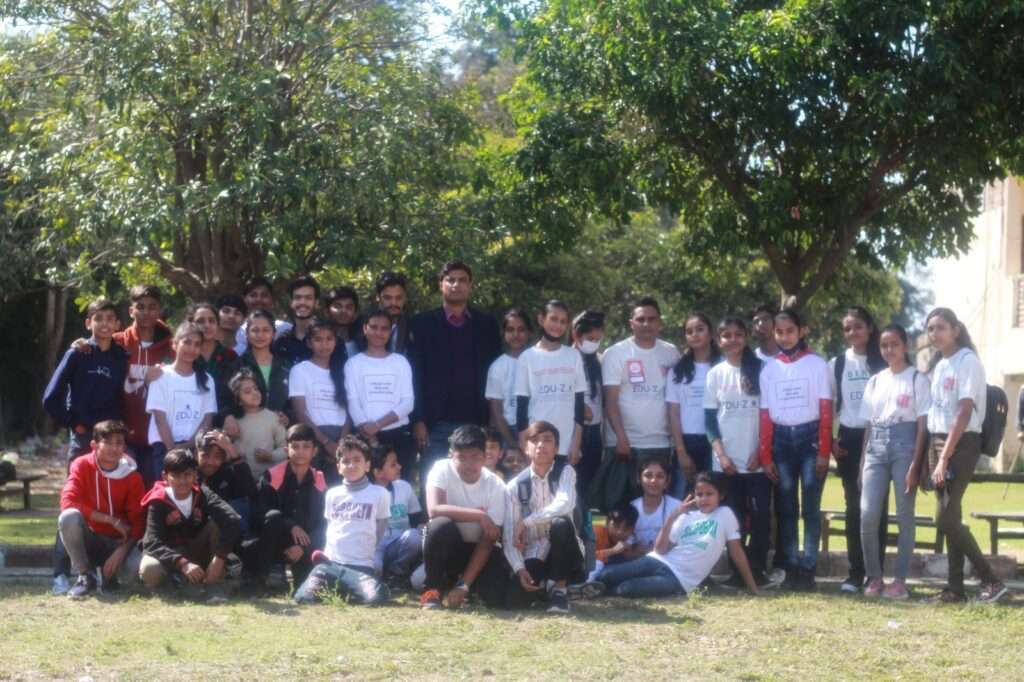
In Madhya Pradesh, Bhoomi Educational Foundation established the EDUZ Learning Centre at Bhopal to support children from urban slum communities. The initiative was designed not only to strengthen academic learning but also to promote health, well-being, and community engagement — ensuring students thrive both inside and outside the classroom

Description

At EDUZ, learning extended beyond textbooks. Interactive techniques, digital tools, and student-centred methods made classroom experiences engaging and meaningful. Students were trained to build strong conceptual foundations and improve their academic performance. Recognising the link between learning and well-being, the project also integrated health and adolescent well-being sessions for students, their parents, and the community. These sessions focused on nutrition, hygiene, mental health awareness, and life skills — creating a supportive ecosystem around the learner.

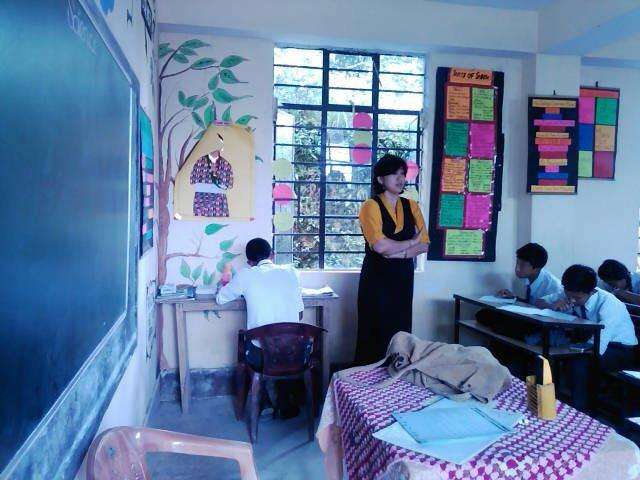
hildren learning in a rural classroom with Bhoomi Educational Foundation, the Best NGO in the field of education.

Outcomes

•Established a community learning centre for urban slum students.
•Improved academic outcomes through digital tools and interactive methods.
•Conducted health and well-being workshops for adolescents, parents, and community members.
•Strengthened life skills and awareness around nutrition, hygiene, and mental health.
• Fostered a community-based model of holistic learning and development.

Sikkim Project

Strengthening Learning Foundations and Exam Readiness

Introduction

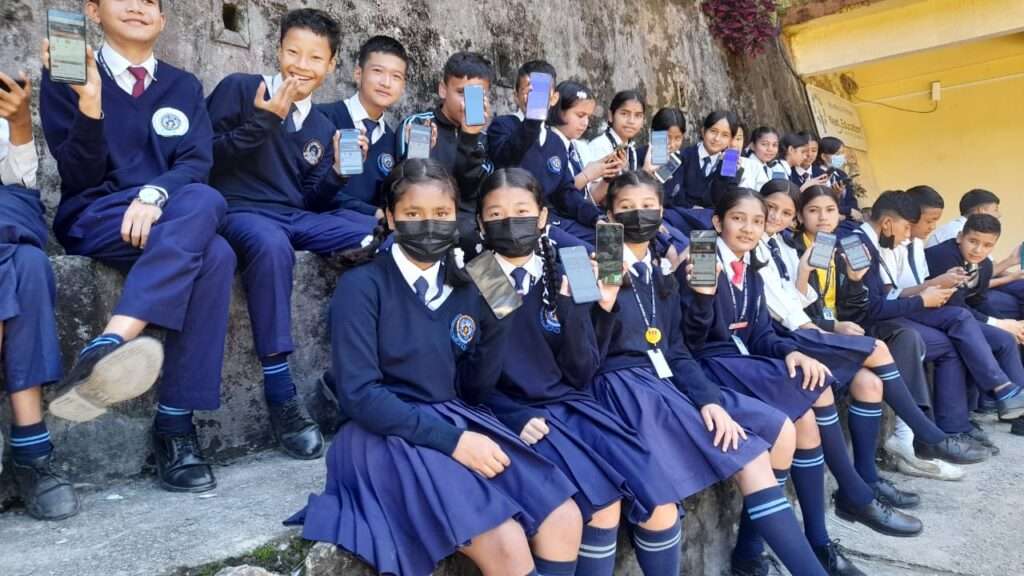
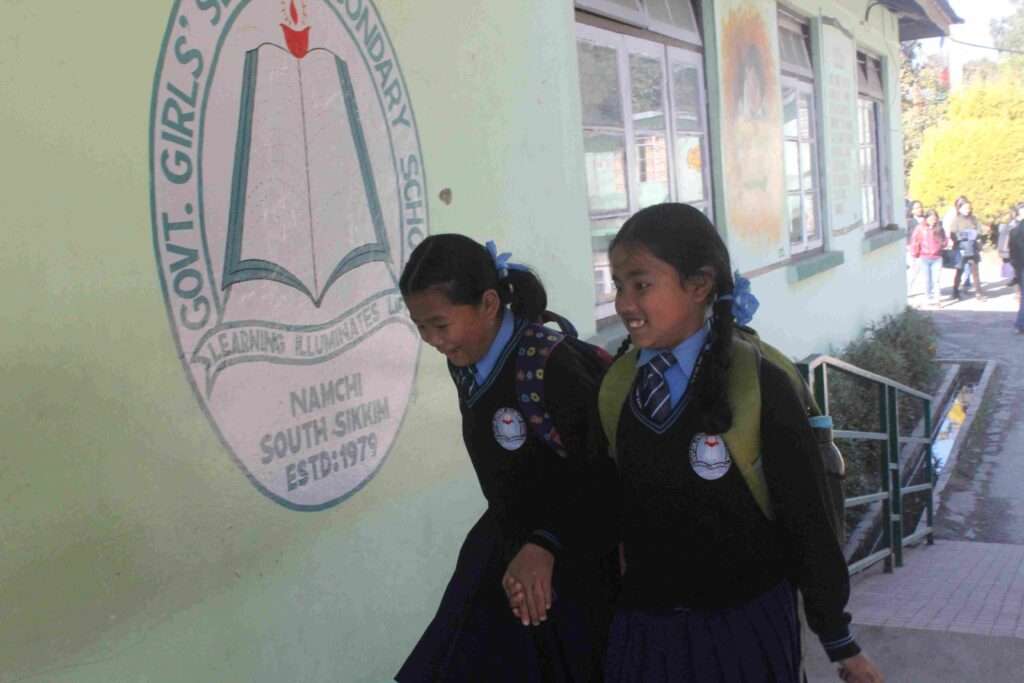
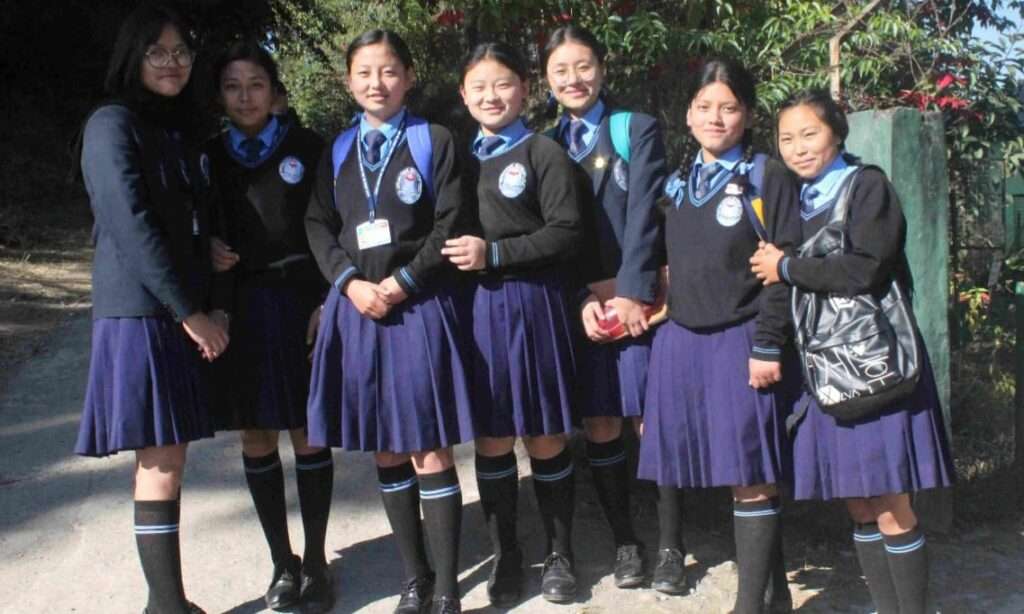
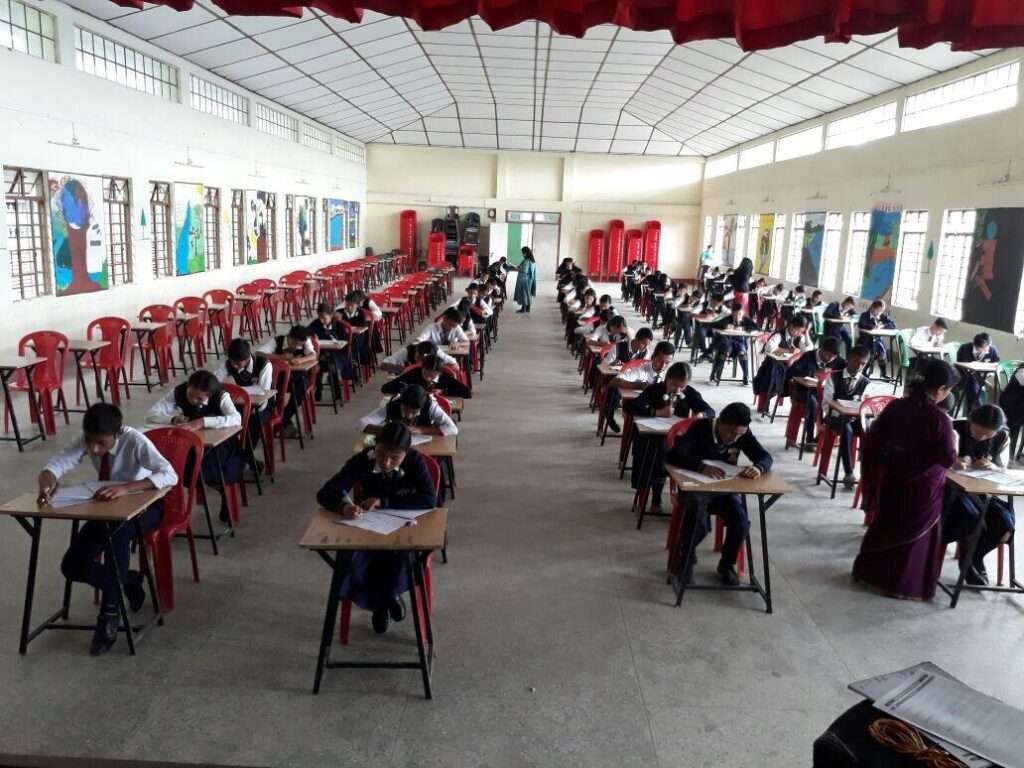
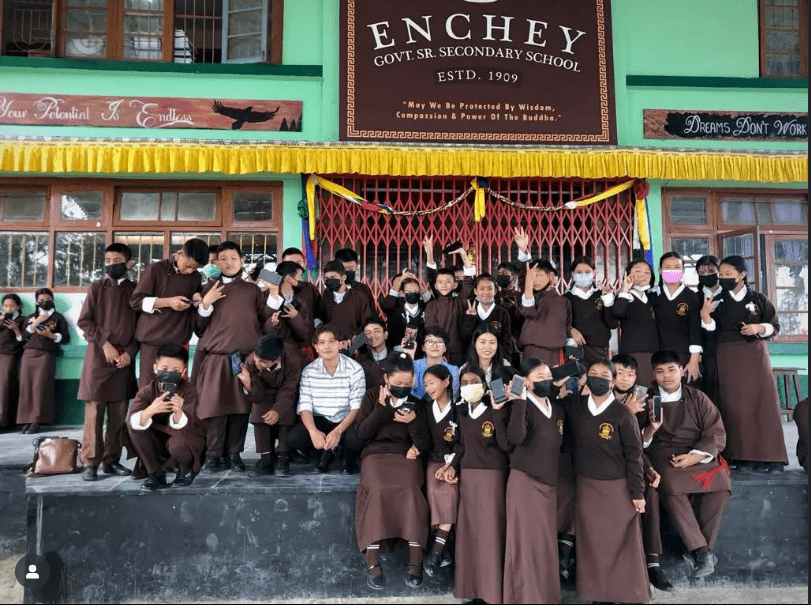
The Sikkim Project is a state-wide learning initiative implemented across 377 government schools in partnership with Bhoomi Educational Consultancy Pvt. Ltd.. It focuses on helping students build strong academic foundations in Classes 6- 9 and preparing them confidently for Class 10 board examinations.

Description

Through focused remedial learning, teachers were equipped to close learning gaps and boost conceptual understanding in English, Mathematics, and Science. Capacity-building workshops empowered teachers with active learning strategies and continuous mentoring. A structured exam-readiness plan supported Class 10 students through practice sessions, mock tests, and counselling, ensuring academic preparedness and emotional confidence.

Outcomes

• Reached 59500+ students through remedial education .
• Reached 15431+ students through Board exam support.
• Strengthened conceptual learning and board exam performance.
•Enhanced teacher capacity and classroom effectiveness.

Meghalaya Project

Reimagining Classrooms, Inspiring Futures

Introduction

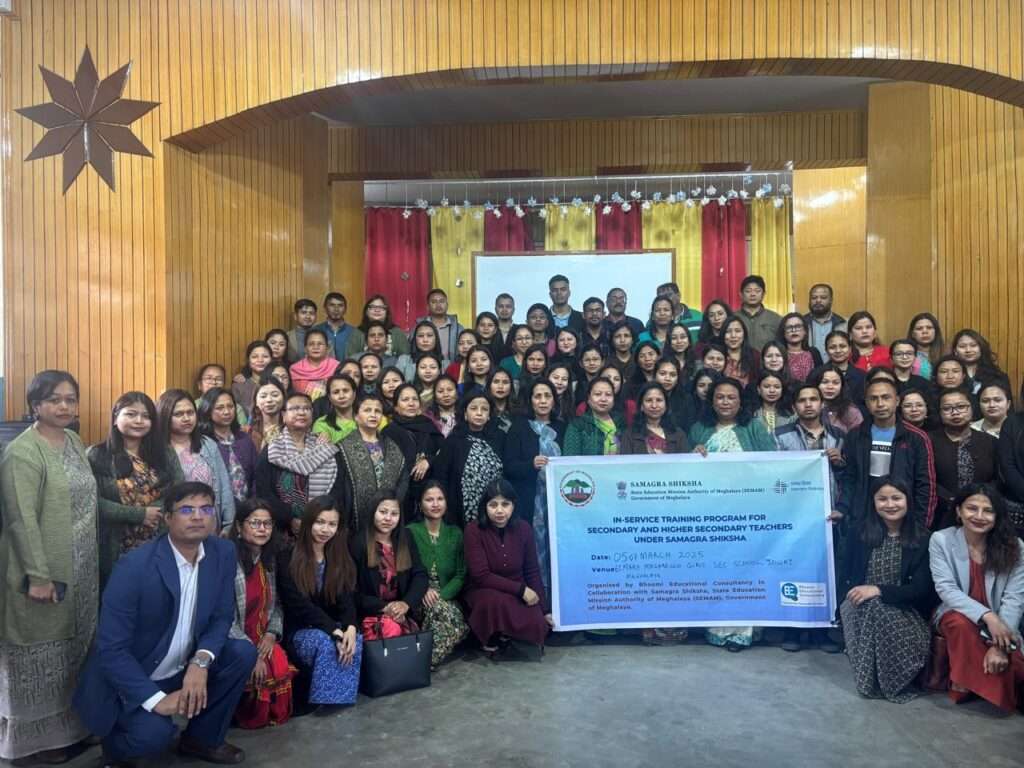
The Meghalaya Project is a state-wide education initiative designed to strengthen classroom learning, teacher capacity, and student engagement. Implemented in partnership with Bhoomi Educational Consultancy Pvt. Ltd., the program spans hundreds of government schools and aligns closely with the National Education Policy 2020. At its core, it is about creating vibrant, future-ready classrooms where every child learns with curiosity, confidence, and purpose.

Description

The Meghalaya Project weaves together multiple strands of innovation to create a 360° school transformation model. It begins with strengthening classroom learning through Reach Teach Learn, ensuring every child builds strong foundational skills and learns at grade level. This is complemented by the Learning Enhancement Programme, which provides targeted remedial support to bridge learning gaps. Teachers stand at the heart of this change. Through in-service teachers' training, learning, regular mentoring, and resource-sharing, they are empowered with new pedagogies and classroom practices.

Outcomes

•Reached 1127+ schools covering 105890+ students across Meghalaya with structured learning support.
•Strengthened teacher capacity through in-service training and continuous mentoring.
•Improved student learning outcomes through remedial and active learning approaches.
• Integrated 21st Century Skills and digital literacy into everyday classroom practice.

Nagaland Project

Diagnosing Gaps, Designing Growth

Introduction

The Nagaland Project focused on identifying learning levels and gaps among Class 10 students across government schools. Implemented in partnership with Bhoomi Educational Consultancy Pvt. Ltd., the initiative aimed to provide the state with actionable data to inform classroom strategies, remedial interventions, and exam-readiness support

Description

A comprehensive diagnostic assessment was designed to evaluate student proficiency in three core subjects — Science, Mathematics, and English. • Science was assessed through structured sections in Physics, Chemistry, and Biology, enabling a clear understanding of conceptual strengths and gaps.
• Mathematics was divided into Arithmetic, Geometry, and Data Handling, ensuring coverage of both basic and applied skills.
• English focused on the four fundamental language domains — Listening, Speaking, Reading, and Writing (LSRW) — to gauge communicative competence and comprehension.

Outcomes

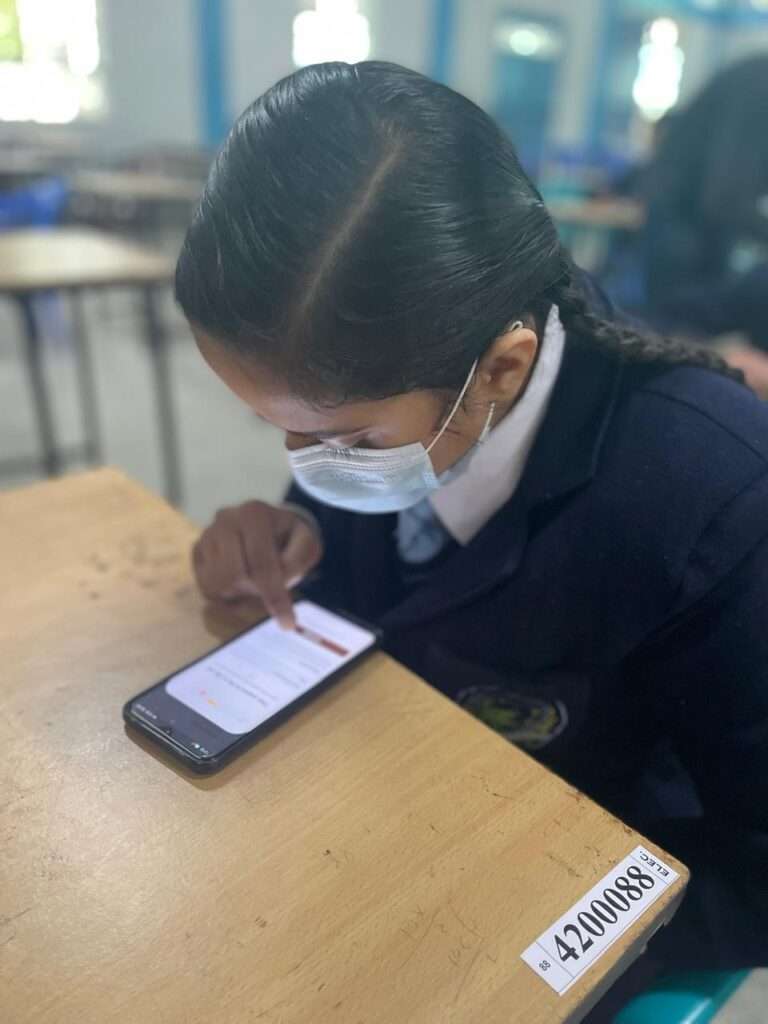
• Assessed learning levels of Class 9 and 10 students across key academic domains in 102 schools across four districts, directly benefiting 7127 students.
• Generated subject- and skill-wise data to support state planning for remedial and board preparation strategies.
• Provided schools and teachers with evidence-based insights to strengthen classroom instruction.

Tamil Nadu Project

Empowering Girls, Shaping Futures

Introduction

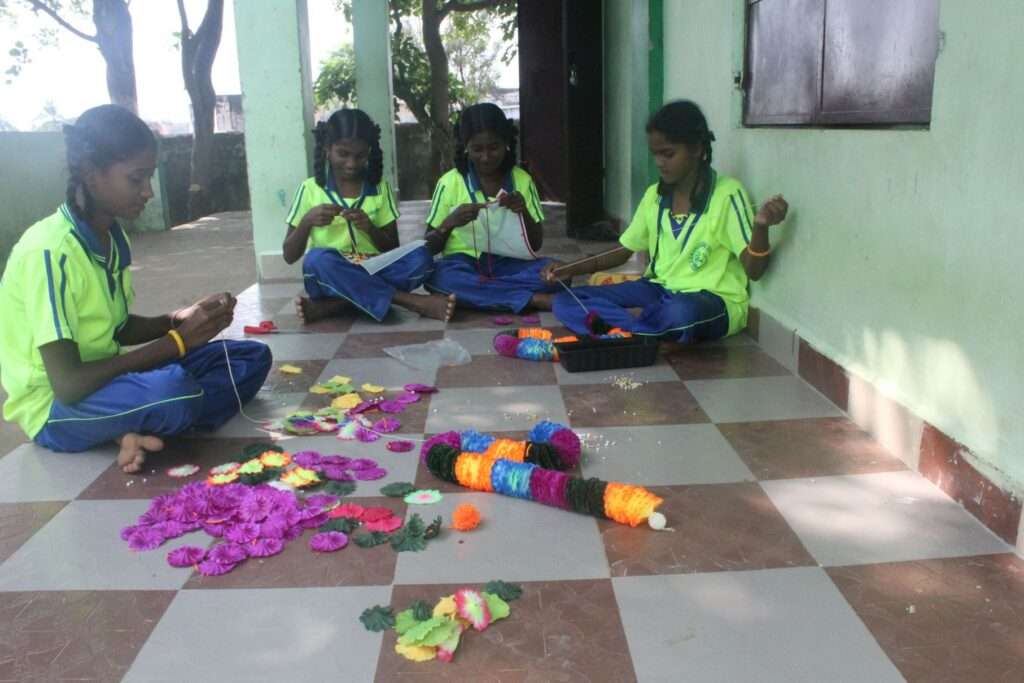
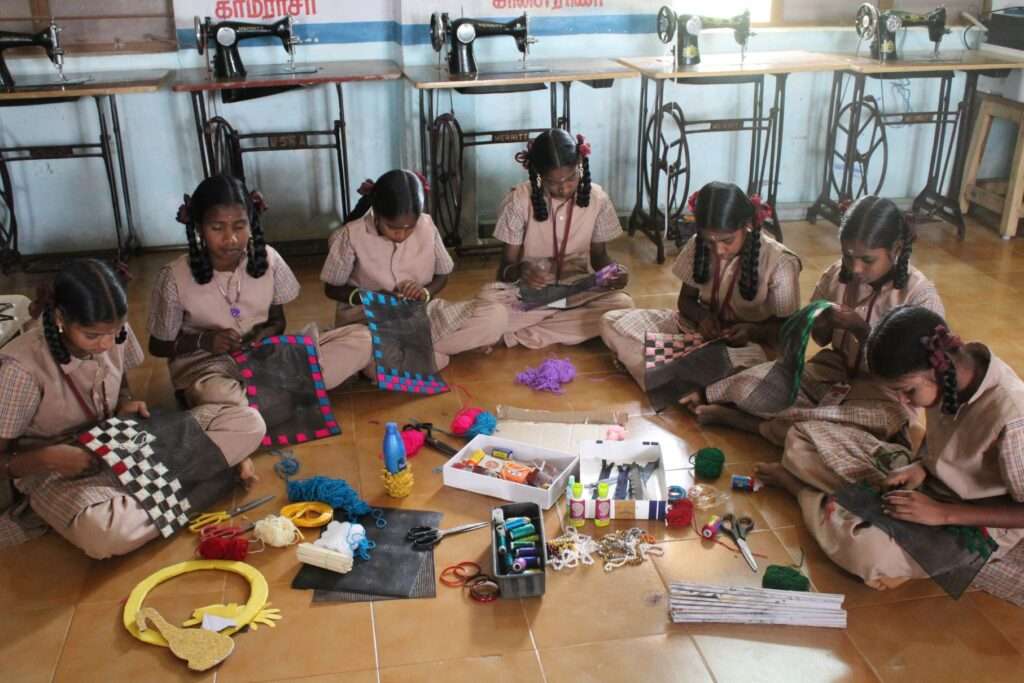
The Tamil Nadu Project focuses on advancing educational opportunities for adolescent girls in Kasturba Gandhi Balika Vidyalaya (KGBV) schools through a structured research and capacity-building initiative. Implemented in partnership with Bhoomi Educational Consultancy Pvt. Ltd., the project aims to understand learning needs, strengthen academic support systems, and create empowering learning spaces for girls from underserved communities

Description

The project was designed as a research-driven intervention to study the learning profiles, aspirations, and barriers faced by adolescent girls in residential schools. Using a blend of field studies, classroom observations, interviews, and assessment tools, the initiative generated actionable insights into how learning can be made more inclusive and empowering. Alongside research, the program also focused on teacher sensitization, context-specific resource development, and strategies to make classrooms more participatory and relevant to the girls’ lived realities.

Outcomes

•Created a comprehensive research base on learning experiences of 4264 KGBV girls from 61 KGBVs in Tamil Nadu.
•Identified key academic and socio-emotional learning needs to inform future program design.
•Strengthened teacher capacity through gender-sensitive pedagogy and contextual resource support.
•Amplified student voice and agency, encouraging girls to participate actively in their learning journey.

Mizoram Project

Empowering Learners, Transforming Classrooms

Introduction

The Mizoram Project is a state-level education initiative aimed at enhancing learning outcomes, supporting teachers, and building child-centered classrooms. Implemented in collaboration with Bhoomi Educational Consultancy Pvt. Ltd., the program focuses on upper Primary and secondary education across Aizwal and Manit district and is closely aligned with the goals of the Samagra Shiksha Abhiyan and NEP 2020. Designed with a long-term vision, the project is committed to helping every learner in Mizoram realise their full academic and creative potential.

Description

At the heart of the Mizoram Project lies a commitment to equity and excellence in upper Primary and secondary education. Over a span of two years, the project provided structured learning support to more than 10,000 students through a multi-layered intervention strategy. The core of the intervention included the Learning Enhancement Programme (LEP), supported by customised worksheets, subject-specific remedial support, menters visit to the classrooms, and structured classroom facilitation techniques. Teachers received subject-wise training and ongoing mentoring to help them adopt new, interactive pedagogies that responded to student needs.

Outcomes

• Reached 10,000+ students across Mizoram with customised academic support over two years.
• Built teacher capacity through subject-specific training, workshops, and mentoring, with focus on pedagogy and remediation.
• Improved learning outcomes by using diagnostic assessments and targeted interventions in Science, Math, English, and Social Science.

Chhattisgarh Project

UNNATI – Finding Confidence Through Language.

Introduction

The UNNATI Project in Chhattisgarh focuses on equipping tribal students with functional English skills essential for everyday life, future education, and employment opportunities. Implemented in partnership with Bhoomi Educational Consultancy Pvt. Ltd., the initiative empowers learners to communicate with confidence, clarity, and purpose.

Description

The project was designed for learners with little or no previous exposure to English, aiming to build foundational language skills through a structured and practical approach. The UNNATI curriculum emphasizes:
•Developing reading, writing, listening, and speaking skills for real-life situations.
•Strengthening language basics such as grammar, punctuation, and spelling.
By creating learner-friendly resources and focusing on teacher capacity-building, the program ensures that functional English becomes both accessible and empowering for tribal learners.

Outcomes

• Introduced functional English learning to tribal students in 321 schools covering 23314 students with minimal language exposure.
•Developed contextual classroom resources tailored to everyday communication.
•Trained teachers to deliver engaging, learner-centred English language instruction.

Explore our projects with one simple step

This will close in 0 seconds

Scan Me

This will close in 201 seconds

This will close in 200 seconds

This will close in 200 seconds